Next-Generation Digital Infrastructure for Modern Enterprises and Smart Homes
The infrastructure of your local area network (LAN) sets the boundary for your operations in an age where digital operations drive the speed of business and productivity within the country. Wireless topologies offer mobility, but high density workflows and high frequency data distribution demand physical layer reliability that is available only from high performance guided media. MOWSIL networking cables provide engineered copper connectivity solutions throughout the Sultanate of Oman so that hardware capabilities are not compromised by structural bottlenecks.
Omani commercial entities deploying complex enterprise resource planning (ERP) architectures, cloud migrations and real-time data analytics rely on stable physical infrastructure. The technical decision of choosing the right networking cables in Oman can impact system uptime, data packet integrity and long-term capital expenditure efficiency. MOWSIL is a producer of structured cabling assets that offer predictable bandwidth, structural resilience and plug-and-play cross-platform compatibility.
Technical Architecture of High-Velocity Physical Layers
Practically , sending high-frequency data packets over twisted-pair copper systems is a complex electrical problem that involves dealing with electromagnetic interference and preventing structural crosstalk . Managed switches can also cause structural packet loss, forced attenuation and automatic port speed down-negotiation, all of which can be caused by lower-tier cabling components. MOWSIL networking cables are manufactured with tight physical tolerances to maintain the geometry of the copper conductor and provide consistent impedance.
These cables are designed to optimise structural returns on hardware assets such as multi-gigabit access points and high throughput network interfaces through precision twist ratios and high purity bare copper conductors.
Category Specifications for Infrastructure Optimization
Designing a cabling plant needs you to know about data transmission categories. Choosing the right Ethernet cables in Oman is based on how data you use now and how much you might use later. You have to think about your data needs and how they might change. The right Ethernet cables will depend on these needs. Selecting the cables, in Oman means considering both current and future data demands. This helps ensure your cabling plant can handle your data transmission requirements.
Cat6 UTP Patch Systems
The MOWSIL Cat6 UTP cable range is the current standard for commercial and residential local networks, standard. The cables are designed to work at frequencies up to 250 MHz, support data transfer rates up to 1 Gbps (Gigabit Ethernet) over distances up to 100 meters and up to 10 Gbps under optimised, shorter deployment conditions (up to 55 meters).
- Pure Copper Cores: Built with 24 AWG solid or stranded bare copper conductors to prevent the signal degradation common in copper-clad aluminum alternatives.
- Structural Isolation: Features internal cross-spline dividers that physically isolate the four twisted pairs, reducing Near-End Crosstalk (NEXT).
- Low-Profile Implementations: Available in sleek flat cable profiles, making them easy to install under office carpets, through complex architectural pathways, and around tight corners without affecting room aesthetics.
Cat7 Shielded High-Frequency Solutions
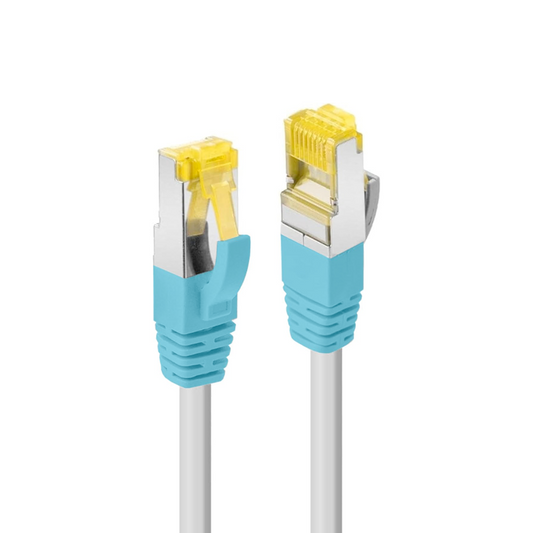
The MOWSIL Cat7 Ethernet cable series is really good for network deployments that have to deal with electrical environments or need to send a lot of data over long distances. This MOWSIL Cat7 Ethernet cable series gives you industrial-grade protection. The MOWSIL Cat7 Ethernet cable series works with frequencies up to 600 MHz. The Cat7 infrastructure that the MOWSIL Cat7 Ethernet cable series uses can handle data speeds of 10 Gbps over the 100 meters, which is great for making sure your main network lines are ready for the future. The MOWSIL Cat7 Ethernet cable series is ideal, for this because it can handle the MOWSIL Cat7 Ethernet cable series demands.
- S/FTP Shielding Architecture: Every individual twisted pair is wrapped in aluminum foil, and the entire core is covered in a robust braided outer shield, completely blocking electromagnetic interference (EMI).
- Gold-Plated Contact Points: Fitted with shielded RJ45 connectors featuring high-spec gold-plated pins to stop interface oxidation and keep signal resistance low.
- High-Density Performance: Ideal for linking backbone network switches, patching high-performance servers, or connecting noisy machinery in industrial areas across Oman.
Designing High-Availability Networks Across Oman
The use of MOWSIL networking cables allows network administrators and IT contractors to design low latency and resilient layouts in different environments of Oman:
- Enterprise Office Spaces: Interconnecting desktop workstations, corporate VoIP phones, network printers, and conference room media servers to eliminate the dropped packets and latency spikes typical of overcrowded wireless channels.
- Modern Residential and Smart Homes: Building a reliable backbone for high-definition streaming devices, network-attached storage (NAS) devices, and competitive gaming systems that need low latency and consistent packet delivery.
- Industrial and Commercial Sites: Providing stable links for networked surveillance systems, automated retail cash registers, and building management sensors, even near heavy machinery or high-voltage power lines.
- Data Centers and Server Rooms: Helping technicians connect dense equipment racks where short-distance, high-frequency data handling is essential for system efficiency.
Installation Best Practices for Long-Term Value
To ensure the best performance of your MOWSIL networking cables, please follow the below professional installation guidelines:
Maintain Safe Bend Radii: Avoid bending your cables too tightly during installation. For standard twisted-pair cables, keep the bend radius at least four times the outer cable diameter to avoid damaging the internal copper pairs.
- Isolate Data Lines from Power Infrastructure: Run your network lines at least 20 centimeters away from high-voltage electrical wires. If they have to cross, route them at a 90-degree angle to keep electrical noise from disrupting your data.
- Manage Cable Tension Carefully: Do not pull too hard on cables during long cable runs through walls or ceilings. Excessive pulling tension can stretch the copper pairs, change the twist rate, and cause data errors.
- Use Proper Cable Support: Support your cable runs with dedicated cable trays, J-hooks, or conduit systems. Avoid letting network lines rest directly on ceiling tiles or sharp structural metalwork.
Streamlining Your Infrastructure Upgrades
Upgrading to MOWSIL networking cables is a way to get rid of network problems and get your infrastructure ready for faster hardware speeds. MOWSIL products are made with quality materials and have strong protection inside and a tough outer cover so you can count on them to work well for a long time for networks all over the Sultanate.
From little home offices in Muscat to big corporate data setups, in Salalah and Sohar MOWSIL networking cables give you a connection that you can trust. MOWSIL networking cables are easy to install and work right away so you can focus on your business without worrying about your network stopping. MOWSIL networking cables are a choice because they are reliable and help your network work smoothly.
Frequently Asked Questions
1. What is a networking cable used for?
A networking cable is used to connect devices such as computers, routers, and switches, allowing them to communicate and share data.
2. What is the difference between Ethernet and LAN cables?
Ethernet refers to the networking standard, while LAN cable is a common term used for Ethernet cables used in local networks.
3. Which cable is better: Cat5e or Cat6?
Cat6 cables support higher speeds and bandwidth compared to Cat5e, making them more suitable for modern networks.
4. Do networking cables affect internet speed?
Yes, the cable type and quality can impact data transmission speed and overall network performance.
5. What is an RJ45 connector?
RJ45 is the standard connector used in networking cables to connect devices like routers, switches, and computers.
6. Can networking cables be used for gaming?
Yes, wired connections using networking cables provide lower latency and more stable performance compared to wireless connections.
7. Are shielded cables necessary?
Shielded cables are useful in environments with electrical interference but may not be required for standard home or office setups.
8. What length of cable should I choose?
Choose based on the distance between devices. Avoid excessive length to maintain a clean setup.
9. Can networking cables be used outdoors?
Some cables are designed for outdoor use, but standard cables are typically intended for indoor environments.
10. Are networking cables compatible with all routers?
Yes, standard Ethernet cables with RJ45 connectors are compatible with most routers and network devices.
11. Do networking cables require setup or configuration?
No, they are plug-and-use and work immediately once connected.
12. Can I use networking cables for smart home devices?
Yes, they are commonly used to connect smart TVs, gaming consoles, and other network-enabled devices for stable connectivity.