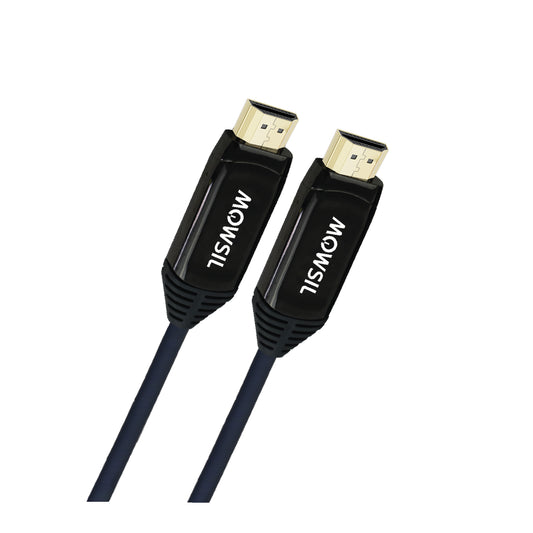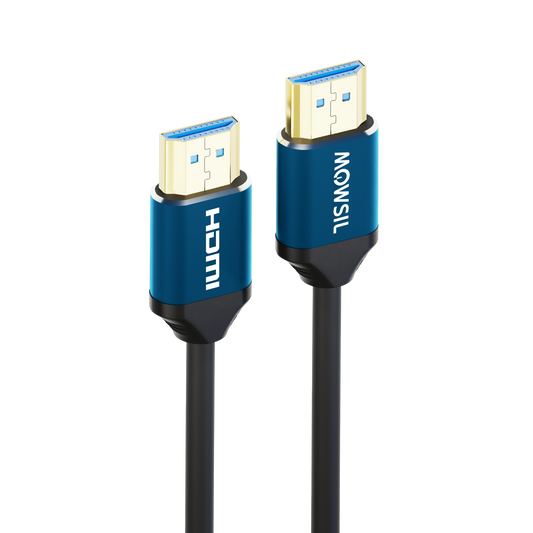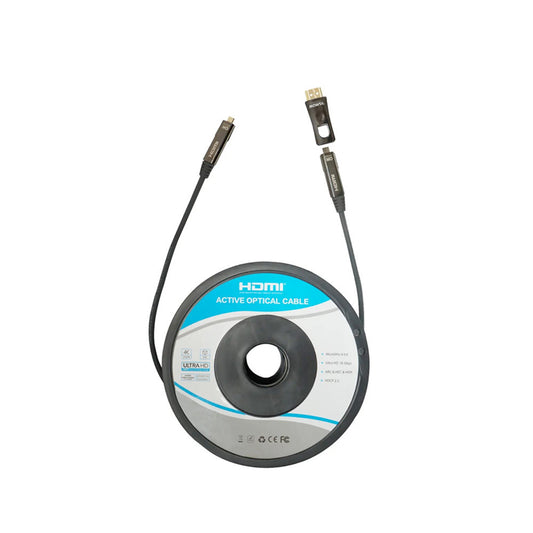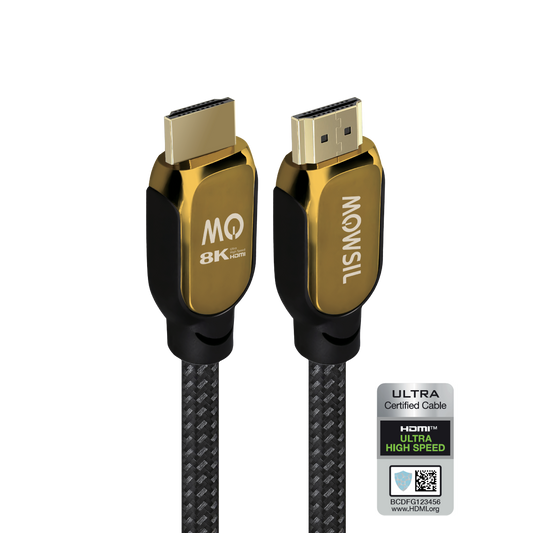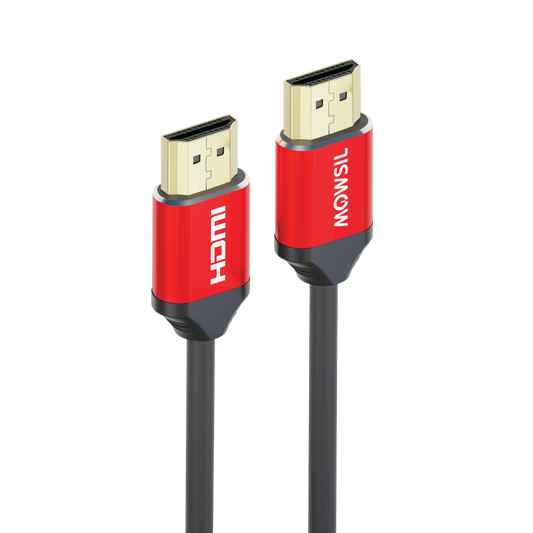




For an 8K video, the type of connection you choose can make a big difference in how your high-resolution display performs. Two of the most common options are HDMI (version 2.1 and above) and DisplayPort (versions 2.0 and 2.1).
Both support 8K content, but each has its own strengths and limitations. If you’re trying to decide which is faster and better for 8K, you’re in the right place. In this guide, we’ll compare HDMI and DisplayPort and explain how Mowsil can help you choose the right solution for your setup.
What Does 8K Mean?
Before comparing HDMI and DisplayPort, it’s important to understand what 8K actually is.
An 8K display has a resolution of 7680 × 4320 pixels, delivering four times the detail of 4K. This results in extremely sharp, lifelike visuals. However, driving an 8K display requires a massive amount of data, which means the connection must support very high bandwidth. That’s where HDMI and DisplayPort come in.
HDMI 2.1: A Big Step Forward for 8K
HDMI 2.1 is a major upgrade over earlier HDMI versions. It supports a maximum bandwidth of 48 Gbps, allowing it to handle higher resolutions, faster refresh rates, and advanced features like HDR.
Key Advantages of HDMI 2.1
-
Supports 8K at 60 Hz natively, making it ideal for movies and console gaming.
-
Can handle 8K at 120 Hz using Display Stream Compression (DSC).
-
Includes gaming features such as Variable Refresh Rate (VRR) and Auto Low Latency Mode (ALLM).
-
Widely supported across modern TVs, game consoles, and media players.
Limitations of HDMI 2.1
-
Requires a certified Ultra High Speed HDMI cable to achieve the full 48 Gbps bandwidth.
-
Higher refresh rates at 8K often rely on compression, which may slightly impact image quality.
-
Less flexible than DisplayPort for multi-monitor or professional PC setups.
Best Use Case
HDMI 2.1 is ideal for home theater setups, TVs, and gaming consoles like the PlayStation 5 and Xbox Series X. It’s excellent for everyday 8K viewing and casual gaming.
DisplayPort 1.4/2.0/2.1: The Power Choice for 8K PCs
DisplayPort 1.4, 2.0, and 2.1 are designed for high-performance computing. With a massive 77 Gbps bandwidth, DisplayPort offers significantly more headroom than HDMI.
Key Advantages of DisplayPort 1.4/2.0/2.1
-
Supports uncompressed 8K at 60 Hz with full color depth.
-
Can handle 8K at 120 Hz without compression, delivering maximum image quality.
-
Supports daisy-chaining, allowing multiple monitors to be connected through a single port.
-
Works seamlessly with FreeSync and G-Sync, making it ideal for high-refresh-rate gaming and professional workflows.
Limitations of DisplayPort
-
Rarely found on TVs; primarily used with PC monitors.
-
Both the GPU and display must support DisplayPort 2.0/2.1 to benefit fully.
-
Cable length is more limited, with optimal performance usually under 3 metres.
Best Use Case
DisplayPort 2.0/2.1 is the best option for high-end PCs, professional content creators, and serious gamers who want uncompressed 8K and higher refresh rates.
HDMI vs. DisplayPort: Which Is Better for 8K?
The right choice depends entirely on your use case.
Choose HDMI 2.1 if:
-
You’re setting up a home theater.
-
You use TVs or gaming consoles
-
You want easy compatibility and a simple setup
-
8K at Hz (or Hz with compression) is sufficient
Choose DisplayPort 1.4/2.0/2.1 if:
-
You’re building a high-performance PC
-
You need uncompressed 8K at higher refresh rates
-
You use multiple monitors
-
You want maximum bandwidth and raw performance
How to Properly Set Up an 8K System
-
Check your hardware: Ensure your GPU, display, and ports support the required HDMI or DisplayPort version.
-
Use certified cables: Approved HDMI 2.1 or DisplayPort 2.0/2.1 cables are essential for full bandwidth.
-
Review display specs carefully: Not all 8K displays support full color depth or high refresh rates—always verify specifications.
Final Thoughts
Both HDMI 2.1 and DisplayPort 1.4/2.0/2.1 are excellent options for 8K, but they serve different needs.
-
HDMI 2.1 is best for TVs, consoles, and home entertainment due to its wide compatibility.
-
DisplayPort 1.4/2.0/2.1 is the superior choice for professionals and gamers who need uncompressed 8K and higher refresh rates.
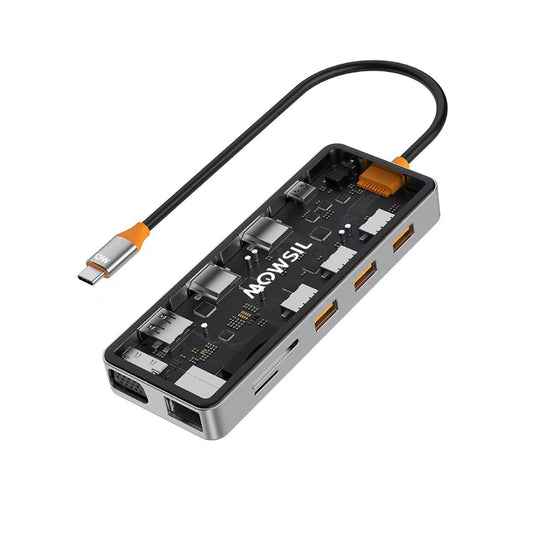
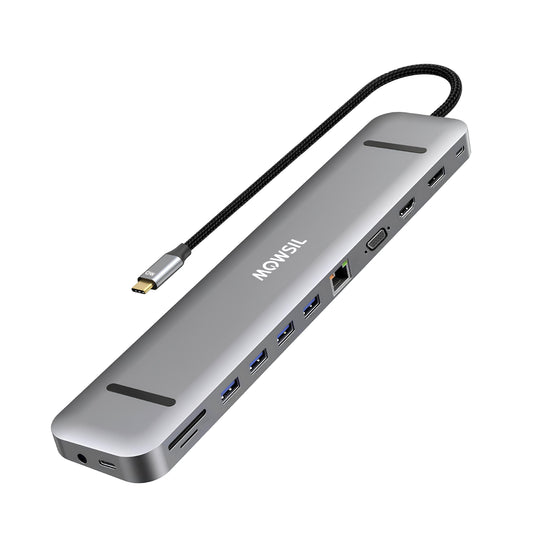
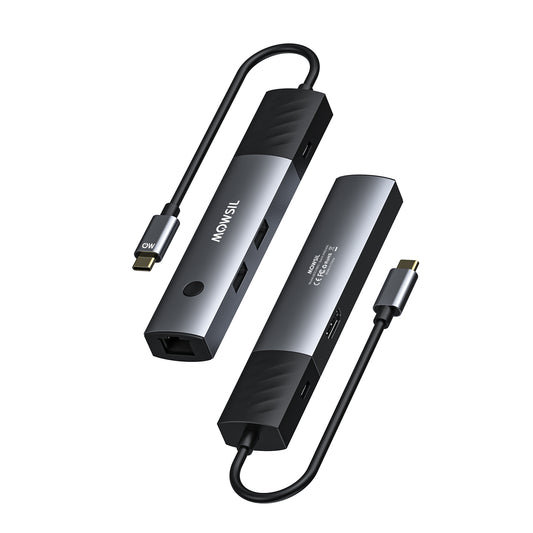
If you’re unsure which cable or setup is right for you, Mowsil can help. Whether you’re gaming, creating professional content, or enjoying ultra-high-resolution entertainment, Mowsil offers the right cables and accessories to get the best out of your 8K experience.