Structured Connectivity for Stable and High-Speed Networks
MOWSIL networking cables are designed to support consistent and efficient data transmission across a wide range of devices and environments. Whether you're setting up a home network, upgrading an office infrastructure, or building a structured IT system, these cables provide the physical connection required to keep devices communicating smoothly.
Networking cables, often referred to as Ethernet or LAN cables, act as the backbone of wired networks by connecting devices such as computers, routers, switches, and servers to enable data exchange and internet access. MOWSIL offers cable options suited for both everyday connectivity and structured installations across the UAE.
Designed for Wired Network Performance
While wireless connections offer flexibility, wired networking continues to play a critical role in environments where consistency and speed matter. Networking cables provide a direct connection between devices, reducing signal interruptions and improving overall network stability.
MOWSIL networking cables are suitable for:
- Connecting computers to routers or switches
- Setting up office LAN infrastructure
- Supporting high-speed internet connections
- Linking network devices such as printers, IP cameras, and servers
These cables are widely used in both residential and commercial environments, where reliable data transmission is essential for daily operations.
Key Features of MOWSIL Networking Cables
MOWSIL networking cables are built with features that support practical networking needs:
High-Speed Data Transmission – Supports fast and consistent data flow between connected devices
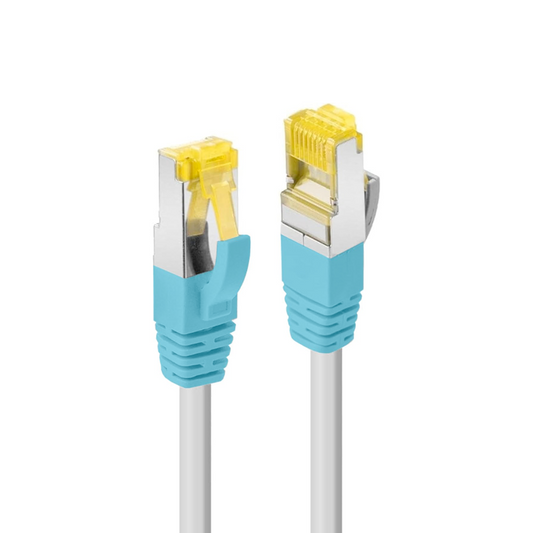
Standard RJ45 Connectivity – Compatible with routers, switches, PCs, and network devices
Multiple Cable Categories Available – Options such as Cat5e, Cat6, and higher based on speed and bandwidth requirements
Flexible Length Options – Suitable for short desk setups as well as longer structured installations
Shielded and Unshielded Variants – Helps reduce interference depending on the environment
Durable Outer Jacket – Designed for regular handling and structured routing
Understanding Networking Cable Types
Networking cables are categorized based on their performance capabilities, including bandwidth and data transfer speed. These categories help determine how well a cable performs in different environments.
Cat5e Cables
Suitable for basic networking and general internet usage. Often used in small offices and home setups.
Cat6 Cables
Designed for higher speeds and better performance, supporting modern network requirements such as streaming, gaming, and office data transfer.
Shielded vs Unshielded Cables
- Unshielded (UTP) – Common in standard environments
- Shielded (STP) – Used in areas with higher electrical interference
Selecting the right type depends on your network speed requirements and installation environment.
Choosing the Right Networking Cable
To ensure your network performs as expected, consider the following before selecting a cable:
Network Speed Requirements
Higher-speed networks require cables with better bandwidth support, such as Cat6 or above.
Installation Environment
In areas with potential interference (e.g., near electrical equipment), shielded cables may offer better performance.
Cable Length
Choose the correct length to avoid unnecessary slack or limitations in your setup.
Application Type
Whether you're building a home network or a structured office system, selecting the right cable ensures long-term usability.
Where MOWSIL Networking Cables Fit Best
MOWSIL networking cables are designed to support a variety of environments:
Office Networks
Used to connect computers, servers, and networking equipment for structured data communication.
Home Connectivity
Ideal for stable internet connections between routers, gaming consoles, smart TVs, and PCs.
Commercial Installations
Supports large-scale setups such as retail systems, security networks, and enterprise infrastructure.
Data and IT Environments
Used in server rooms and structured cabling systems where consistent connectivity is required.
Practical Connectivity Without Complexity
Networking cables remain a core component of modern digital infrastructure. Unlike wireless connections, wired networks offer controlled and consistent performance, especially in environments where uninterrupted data flow is required.
MOWSIL networking cables are designed to integrate easily into both new and existing setups, helping users maintain efficient connections without overcomplicating installation or configuration.
Why MOWSIL Networking Cables Work for Your Setup
Consistent Data Transmission
Supports uninterrupted communication between devices in both small and large networks.
Wide Compatibility
Works with routers, switches, computers, and other network-enabled devices.
Flexible Deployment
Available in different categories and lengths to suit various setups.
Structured Setup Support
Helps organize and maintain clean network installations.
Accessible Across UAE
Available across major regions, making it easier to source networking essentials when needed.
Explore MOWSIL Networking Cables
If you’re building or upgrading a wired network, MOWSIL networking cables provide the essential connection needed for consistent performance across devices.
Frequently Asked Questions
1. What is a networking cable used for?
A networking cable is used to connect devices such as computers, routers, and switches, allowing them to communicate and share data.
2. What is the difference between Ethernet and LAN cables?
Ethernet refers to the networking standard, while LAN cable is a common term used for Ethernet cables used in local networks.
3. Which cable is better: Cat5e or Cat6?
Cat6 cables support higher speeds and bandwidth compared to Cat5e, making them more suitable for modern networks.
4. Do networking cables affect internet speed?
Yes, the cable type and quality can impact data transmission speed and overall network performance.
5. What is an RJ45 connector?
RJ45 is the standard connector used in networking cables to connect devices like routers, switches, and computers.
6. Can networking cables be used for gaming?
Yes, wired connections using networking cables provide lower latency and more stable performance compared to wireless connections.
7. Are shielded cables necessary?
Shielded cables are useful in environments with electrical interference but may not be required for standard home or office setups.
8. What length of cable should I choose?
Choose based on the distance between devices. Avoid excessive length to maintain a clean setup.
9. Can networking cables be used outdoors?
Some cables are designed for outdoor use, but standard cables are typically intended for indoor environments.
10. Are networking cables compatible with all routers?
Yes, standard Ethernet cables with RJ45 connectors are compatible with most routers and network devices.
11. Do networking cables require setup or configuration?
No, they are plug-and-use and work immediately once connected.
12. Can I use networking cables for smart home devices?
Yes, they are commonly used to connect smart TVs, gaming consoles, and other network-enabled devices for stable connectivity.