





You will not be allowed to compare more than 4 products at a time
View compareموزع Mowsil USB-C 12 في 1
موزع Mowsil USB-C 12 في 1
في الأوراق المالية
SKU
MOCHB12


وصف
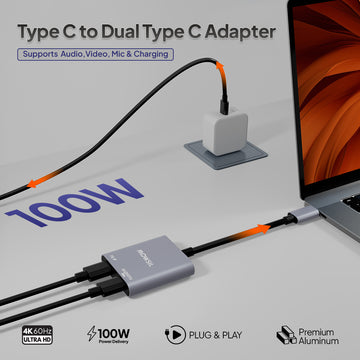
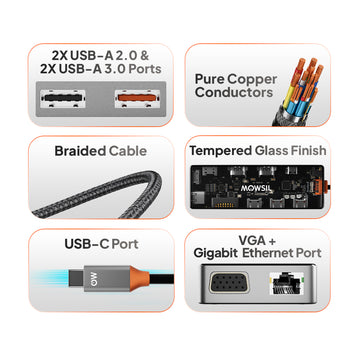
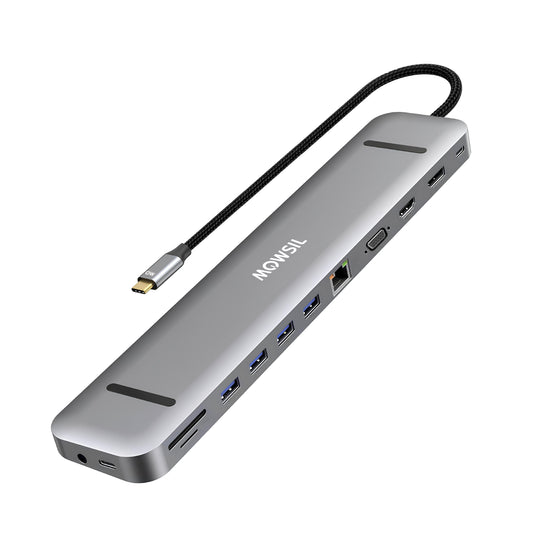
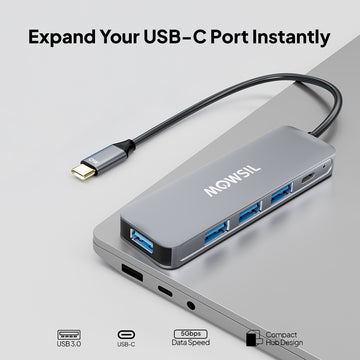
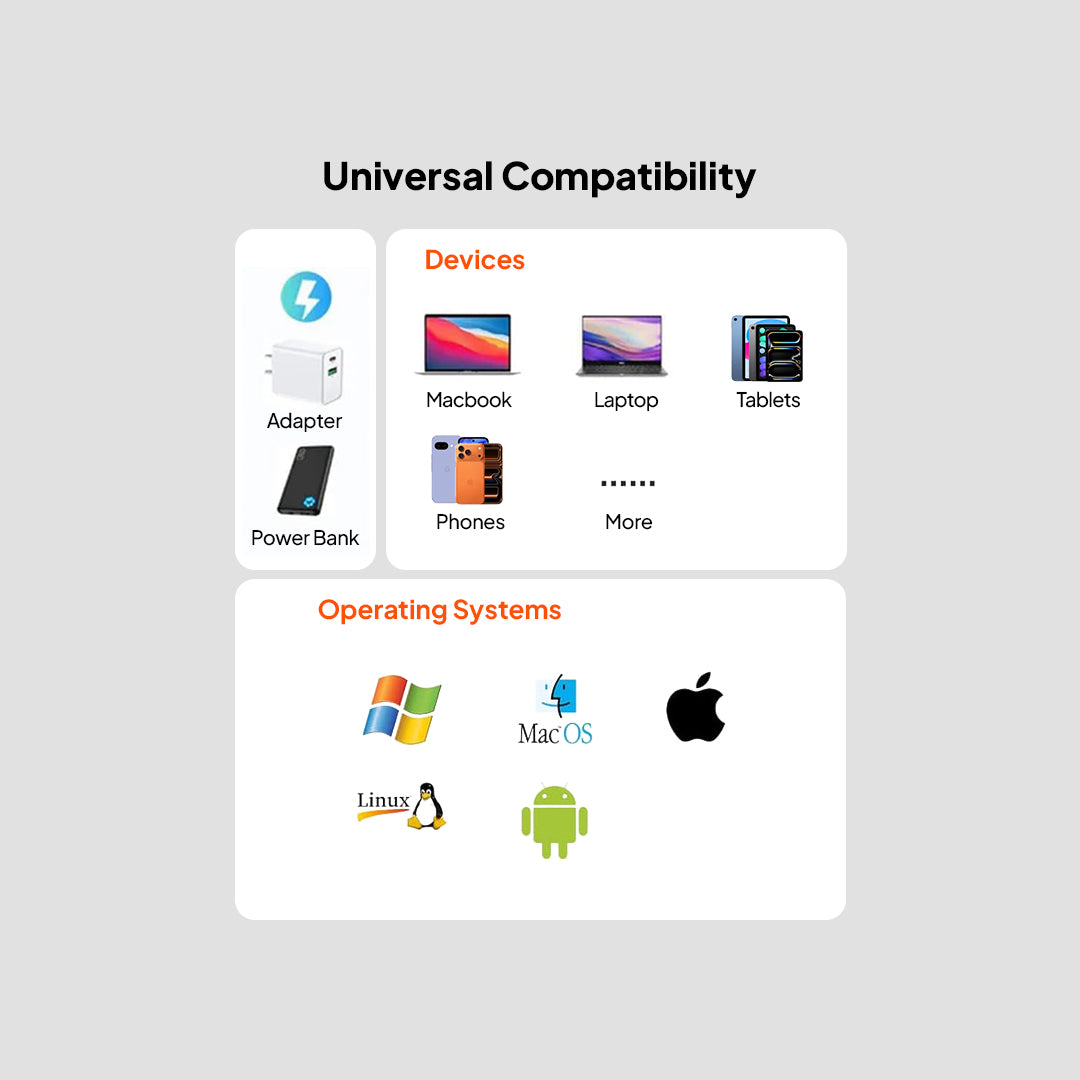
ارتقِ باتصالك مع موزع USB-C 12 في 1 متعدد الاستخدامات هذا، المصمم لتبسيط المهام المتعددة وتوسيع إمكانيات جهازك. يتميز بـ 4 منافذ USB 3.0 مع نقل بيانات عالي السرعة بسرعة 5 جيجابت في الثانية، ومنفذي HDMI يدعمان دقة تصل إلى 4K، ومخرج VGA، و Gigabit LAN/RJ45، وقارئات بطاقات SD/TF، ومقبس صوت 3.5 ملم، وشحن USB-C PD بقوة تصل إلى 100 واط، وهو مثالي لتوصيل الشاشات ومحركات الأقراص الخارجية ولوحات المفاتيح والفئران وغيرها من الملحقات. تم تصنيعه بغطاء من سبائك الزنك الفاخرة وتشطيب من الزجاج المقوى لتبديد الحرارة بكفاءة، ويتضمن الموزع أيضًا كابلًا مضفرًا متينًا بطول 15 سم للاستخدام اليومي طويل الأمد. يدعم أوضاع العرض الثلاثي مع مرئيات واضحة تمامًا، هذا الموزع الذي يعمل بالتوصيل والتشغيل متوافق مع أجهزة الكمبيوتر المحمولة والأجهزة اللوحية والهواتف الذكية التي تحتوي على USB-C، بما في ذلك MacBook و iPad Pro و Surface و Chromebook وأجهزة Galaxy عبر أنظمة تشغيل Windows و macOS و Linux و Android. مدعوم بضمان استبدال لمدة عامين لراحة البال.


معلومات إضافية
1. Can I use all 12 ports of the Mowsil USB-C Hub simultaneously?
The hub provides 12 connection options, but using every port simultaneously depends on the available power, connected devices, and host device capabilities. Some combinations may have functional limitations.
2. Does the Mowsil 12-in-1 USB-C Hub support three independent displays?
The hub provides two HDMI outputs and one VGA output for triple-display connectivity. However, independent extended display support depends on the laptop's graphics hardware, USB-C video capabilities, and operating system.
3. Can I connect the hub to a USB-A port?
No. The hub uses a USB-C host connection. A USB-A adapter would not provide all the required video and Power Delivery functions.
4. Will the hub work with a USB-C port that supports charging but not video output?
You may be able to use supported data and charging functions, but the HDMI and VGA video outputs will not work without compatible USB-C video support.
5. Does the 100W Power Delivery feature mean my laptop charges at 100W?
Not necessarily. The 100W rating refers to the supported PD input. The actual power delivered to the laptop may be lower depending on the hub's power consumption, charger, and laptop requirements.
6. Can I use two HDMI monitors at the same time?
Yes, the hub has two HDMI ports. However, the ability to use both simultaneously, including their supported resolutions and display modes, depends on the connected device.
7. Does this USB-C hub support extended display mode on MacBook?
Display functionality depends on the MacBook model. Some Mac computers have limitations on the number of independent external displays and do not support MST-based extended displays in the same way as compatible Windows laptops.
8. Can I connect external hard drives to the hub?
Yes. You can connect compatible USB external hard drives and SSDs. Their performance and power requirements depend on the connected storage devices.
9. Can I use SD and microSD cards simultaneously?
The hub includes separate SD and TF card reader slots. Whether both can operate simultaneously should be confirmed against the product's controller specifications.
10. Does the Mowsil 12-in-1 USB-C Hub require an external power supply?
For laptop charging, connect a compatible USB-C PD charger to the hub's PD input. Some connected peripherals may also require additional power depending on their individual power requirements.